A conversation with Hayley Martin, Executive Search Practice Lead at Lotus People
As Lotus People formally launches its Executive Search practice, we sat down with Hayley Martin to talk about what separates a great senior hire from a costly one, what mid-market businesses consistently get wrong, and why she chose to build this here.
After eight years in executive search, what is the most common mistake you see businesses making when hiring at C-suite or Head of level?
There are a couple that come up again and again.
One of the biggest is not having a strong enough idea of what they actually want. It's okay for a search to evolveas you go, that's natural, but you need to start with clarity. What does this person need to achieve in the first 90 to 180 days? What kind of culture do they need to reflect? What does the existing culture actually look like?
Another mistake is not ensuring the person you bring in is aligned with the board. Nothing creates more frictionthan when the board isn't aligned with what a new CEO or C-suite member is looking to do. That misalignment can filter down through the organisation and, before you know it, the whole business has been reshaped by one hire.
I also think the level of risk involved in getting a senior hire wrong isn't always fully appreciated. At the C-suite level, the financial, cultural and reputational impact can be significant. It's not just one role; it can influence strategy, board confidence and the direction of the business. The cost of getting it wrong at this level is far greater than anywhere else in the organisation.
What is the difference between a great executive search process and an average one? And why does it matter at the senior level?
A great search process is a partnership. You're aligned with your client the whole way through.
From the very first briefing, you're on the same page, and that briefing isn't a rushed call. It's typically a minimum of an hour and a half, sometimes longer, covering not just the role requirements but a thorough understanding of the organisation. What have been the recent wins? What challenges have they faced? Whereare they looking to grow? As a search consultant, I need to understand all of that to bring forward people whoare genuinely aligned.
Communication is also critical at senior level. I would expect weekly updates with my client, talking through what I've been doing, what I'm seeing in the market, who is interested, who isn't, and why. Those conversations also provide real market insight. It's not just about filling a role. It's about understanding how your brief islanding, whether salary expectations are aligned, and how your proposition compares to competitors. That transparency allows boards to make informed decisions rather than assumptions.
And at senior level, discretion is critical. Many searches are confidential, sometimes even internally. Protecting both the client's and the candidate's reputation is a fundamental part of the process.
Why did you want to build this division at Lotus People specifically?
For me, like many people making a move, it was about culture. I wanted to join an organisation where I felt heard and valued, and that's exactly what I found.
The team at Lotus People are incredibly experienced, and the directors are genuinely focused on people first. That really resonated with me, because executive search is fundamentally about people. It's about the boardsand senior leaders looking for someone to join their team, and it's about the individuals considering their nextmove.
I also think Lotus People was in a strong position to introduce Executive Search. The brand already has trusted relationships in the mid-market, strong networks across HR, finance and business support, and a reputation built on quality rather than volume. That gives us a solid foundation to build something premium and thoughtful, rather than transactional.
Joining an organisation that doesn't already have an executive search function also means we're not governed by"it's what we've always done." We're open-minded and able to build this properly, with fresh thinking and genuine innovation.
What do you think mid-market Australian businesses get wrong about senior hiring compared to large corporates?
Sometimes, mid-market businesses don't have enough confidence in what they have to offer. They assume they won't attract senior candidates from large corporates, but that isn't necessarily true.
If you can clearly articulate your culture and EVP, and demonstrate that senior leaders will have genuine influence and impact rather than just ticking a box, that's very attractive. Many senior leaders are actively looking for the opportunity to shape something. Mid-market businesses can offer that in a way that large corporates often can't.
The other common issue is not doing enough upfront research, not completing market mapping, not understanding salary benchmarks, not being clear on structure. You need to think through what you need from the position and how it supports future growth. The right hire should be able to deliver today and grow with the organisation over time.
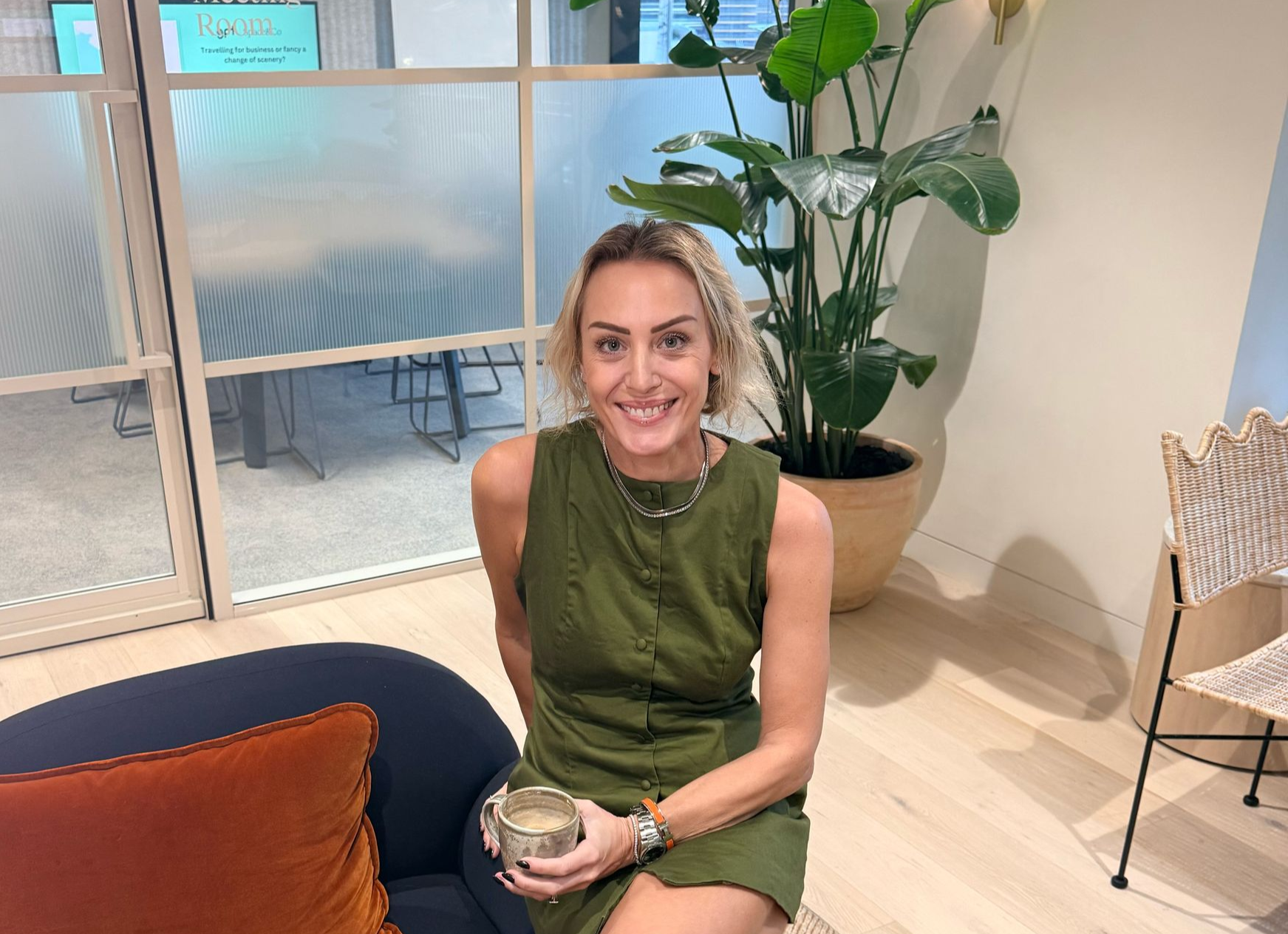
Hayley Martin leads Lotus People Executive Search, working with ambitious organisations across Australia to appoint senior and C-suite leaders. Her approach is grounded in cultural precision, stakeholder alignment and discretion.
To explore how Lotus People Executive Search can support your next leadership appointment, reach out to Hayley directly at hayley.martin@lotuspeople.com.au.
Lotus People Executive Search |www.lotuspeople.com.au/executive-search
You may also like...