Market Insights
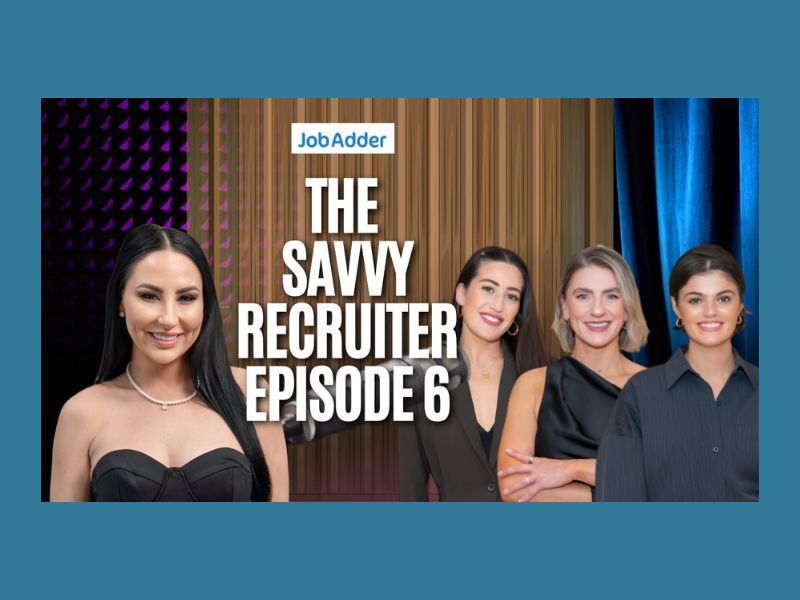
A behind-the-scenes look at how Lotus People and Lotus Executive Search use data, systems, and feedback-driven leadership to build a high-performing recruitment business—plus where AI actually adds value (and where it doesn’t).

The best leaders know hiring is everything. I’m the person they call when they want to get it right.

LOTUS PEOPLE EXECUTIVE SEARCH | THROUGH LEADERSHIP

A conversation with Hayley Martin, Executive Search Practice Lead at Lotus People As Lotus People formally launches its Executive Search practice, we sat down with Hayley Martin to talk about what separates a great senior hire from a costly one, what mid-market businesses consistently get wrong, and why she chose to build this here .

A natural next step for Lotus People - Lotus Executive Search , an organic evolution of work we've been doing for years, now delivered with the rigour, discretion, and partnership it deserves. Leading this practice is Hayley Martin who brings over 20 years of executive search experience, including deep expertise in the not-for-profit sector, membership organisations, and corporate leadership appointments

In the ever-evolving world of talent acquisition, reference checks remain a standard practice. However, I've recently asked my network a question: Is bringing two candidates to the reference check stage a fair and ethical practice? The overwhelming consensus from HR professionals, recruiters, and hiring managers is a resounding no . While companies might justify this approach to ensure they make the best hiring decision, the practice has significant drawbacks. The Candidate’s Perspective: False Hope and Strained Relationships For candidates, reference checks often represent the final hurdle before an offer. Being asked to provide references is a hopeful moment—only to discover later that they were simply a “backup” candidate. This leads to: False hope : The process feels misleading if references are strong, but the candidate still doesn’t secure the role due to a small deciding factor. Professional risk : Candidates hesitate to repeatedly ask the same referees for endorsements, fearing it may strain professional relationships or cast doubt on their credibility. Frustration and wasted time : Candidates invest considerable effort in securing references, only to walk away empty-handed. The Referee’s Burden: A Drain on Time and Goodwill Reference checks aren’t just a candidate inconvenience; they also affect referees—often senior professionals taking time out of their busy schedules. Many commenters noted: Referees have limited patience: If a former manager is repeatedly asked for references for the same person without a job offer, they may be reluctant to vouch for them in the future. - A one-sided burden : The hiring company benefits from this additional insight, but referees get little in return other than expecting a favour. The Hiring Manager’s Responsibility: Why This Practice Undermines Decision-Making Some employers argue that reference checks help finalise a tough decision between two equally qualified candidates. However, many experts push back against this rationale: Hiring decisions should be based on direct assessment, not external opinion : As one commenter put it, “You should never put the decision of who best to hire in the hands of someone you don’t know and doesn’t work for your business.” Reference checks are not selection tools : Traditionally, references are a due diligence step , not a deciding factor between multiple candidates. It’s an outdated practice : With many companies now limiting references to basic employment verification, the value of this process is already diminished. So, What’s the Alternative? If reference checks shouldn’t be used to choose between candidates, how should they be utilised?

After my recent post about the distinct roles of HR and Talent Acquisition, it’s clear that this topic resonates with many professionals across industries. The comments highlighted not only the passion within the HR and TA community but also the ongoing challenges we face in bridging the understanding gap with business leaders. One theme that stood out was that it’s not just about defining the differences—it’s about evolving the conversation.

In my role, my days are spent speaking with business owners, talent managers, and leaders about hiring challenges. A common question is whether to send a role to multiple agencies or work exclusively with one trusted recruitment partner. While there are benefits to both approaches, exclusivity leads to better outcomes for everyone involved. Whether it’s the quality of candidates, the speed of placement, or protecting your employer brand, partnering exclusively with one agency creates a smoother and more effective hiring process. Here’s why:

August saw Lotus People celebrate our 10th anniversary, and in honour of that, we had the absolute pleasure of bringing our community together for our Lotus People event: “AI & the Human Skills Shaping the Future of Work.” It was more than just a panel; it was a lively, honest, and inspiring conversation about how organisations can balance the rise of AI with the enduring power of human connection, creativity, and adaptability. A huge thank you to our panellists: Lucy Wilson Wilson, Chief People & Culture Officer, Gumtree Group Claritta Peters , Chief People Officer, THISBOWL FISHBOWL Nick Denison , Client Principal, Mantel Amy Locke , Director, Lotus People (and our brilliant moderator)

People First: A Lotus People Podcast